Your Clarity Doesn't Owe Anyone a Costume

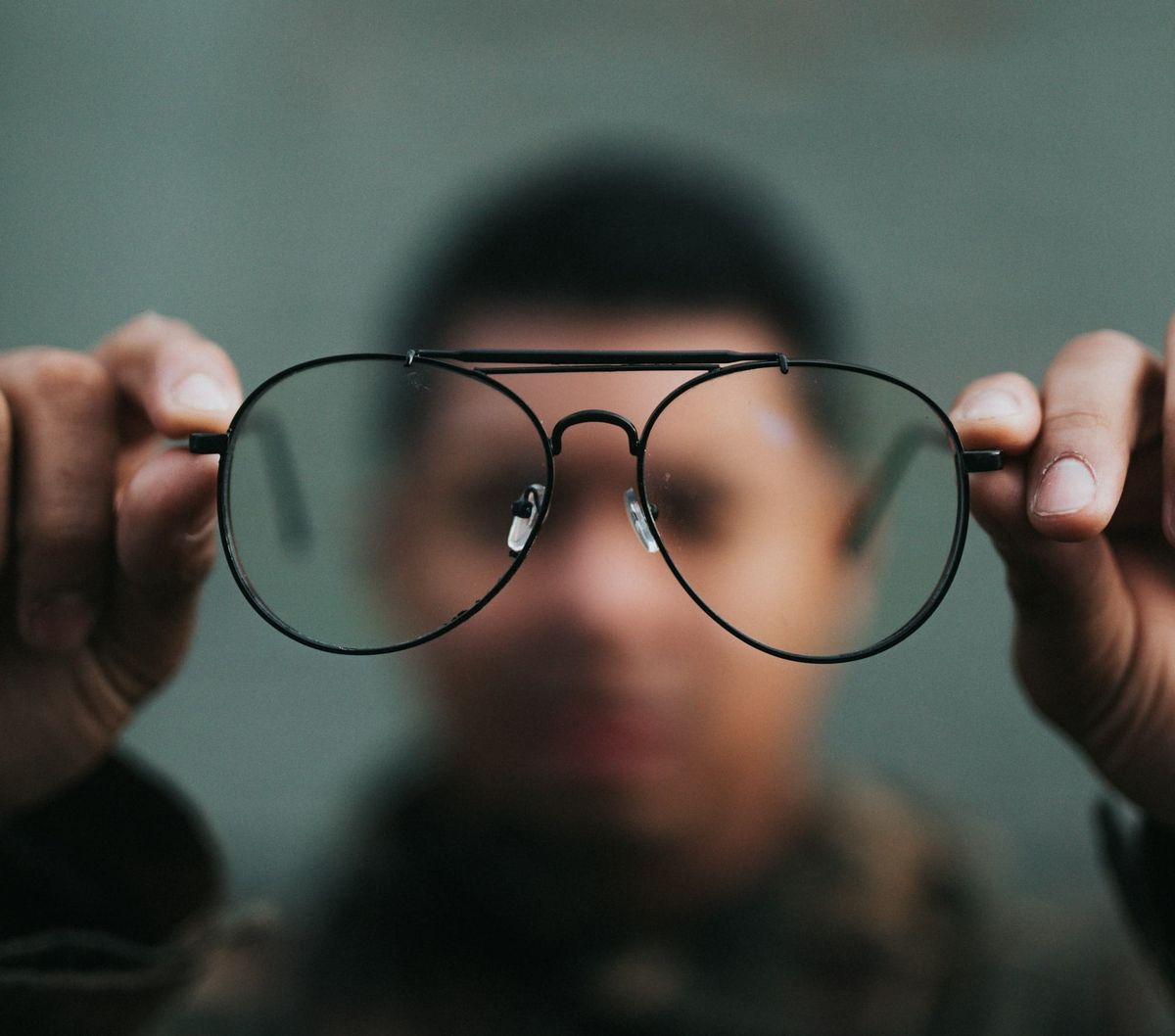
"You don't have to wear a smile to be safe. Your clarity doesn't owe anyone a costume."
NOUR MAESTRO
There's a particular reflex that runs faster than thought: softening your face, your tone, your truth, so the other person stays comfortable — and so you stay safe. The smile that isn't felt. The "no worries!" appended to a real grievance. The genuine point dressed in enough warmth that no one could possibly take offense. It feels like social skill. Underneath, it's a costume — and you've been wearing it so long you've forgotten it's not your face.
The distortion. The program equates palatability with safety: if I make myself pleasant enough, agreeable enough, unthreatening enough, I won't be attacked, rejected, or abandoned. So clarity gets a costume before it's allowed out — a smile bolted onto a serious statement, a softener wrapped around a firm one. The belief underneath is that your unadorned clarity is dangerous to you — that the truth, delivered plainly, will cost you your safety. So you never let it out undressed.
But examine the safety the costume buys. It's the safety of not being fully seen — which is the same safety described elsewhere as surviving by shrinking. The costume doesn't protect you. It protects the version of you that's been edited for others' comfort, and it does so by keeping the real one hidden.
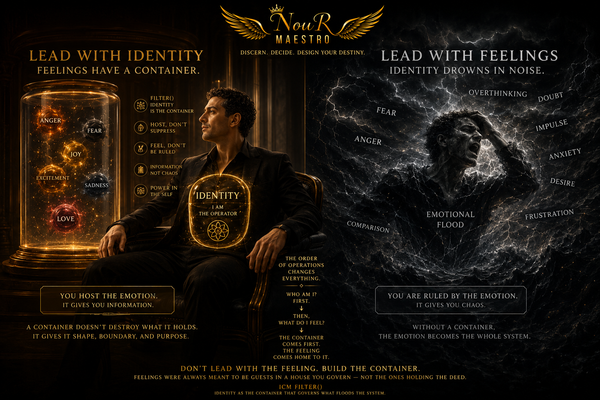
The mechanism. This is FILTER() — but aimed at the right target. Most people filter their clarity to protect others' comfort. The sovereign move filters in the opposite direction: it screens out the demand that your truth wear a costume. FILTER() is access control, and the access being controlled here is over your self-presentation. The question isn't how do I make this palatable enough to be safe? It's who decided my clarity owes them a costume, and why am I honoring that demand?
The line separates two things the program had fused: clarity and cruelty. Removing the costume doesn't make you harsh — it makes you undisguised. A smile worn for safety isn't kindness; it's camouflage. Real warmth, when it's there, needs no performance. And when it's not there, performing it is just a more elaborate way of hiding. FILTER() lets you keep genuine warmth and screen out the obligation to manufacture it on demand.
Safe is the word doing the quiet damage. The program promises the costume keeps you safe. But the safety of the disguised is the safety of the unseen — and being unseen is not the same as being secure. It's just a slower way of not existing in the room.
The install. When this line runs, you stop bolting a smile onto your clarity as the price of admission. You let the truth wear its own face. When the reflex to soften fires — better add a smile, better make this palatable — you check who that's actually for, and whether the safety it buys is worth the cost of never being seen. Often the honest answer is to drop the costume and let the clarity stand as itself.
You don't owe anyone a performance of pleasantness as the toll for telling the truth. The truth, plainly worn, was never the danger. The costume was.
"You don't have to wear a smile to be safe. Your clarity doesn't owe anyone a costume."
NOUR MAESTRO
Read it again. Take off the costume. Your clarity was never what needed disguising.
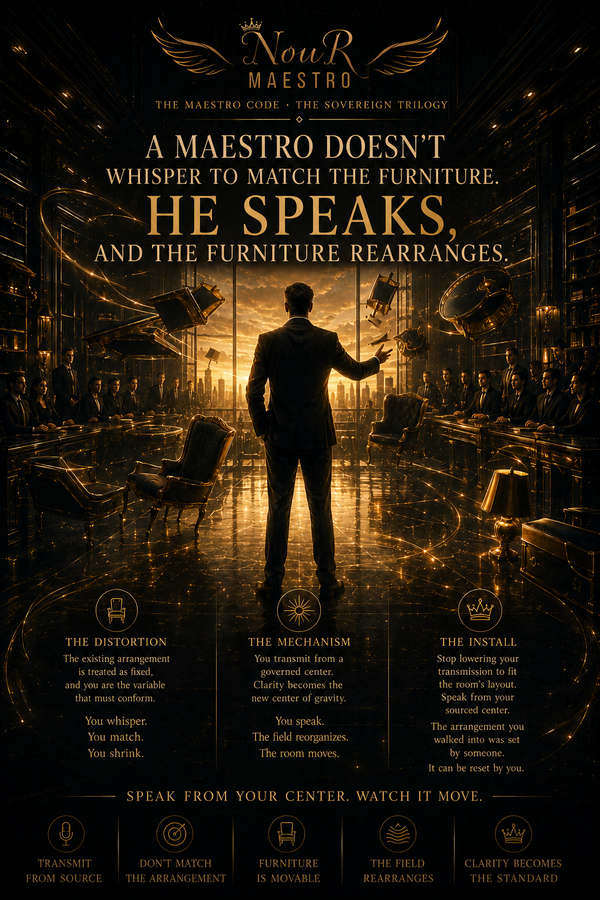
This line lives in Maestro Mornings, Part I of The Sovereign Trilogy (The Maestro Code). It runs the ICM FILTER() function on self-presentation — screening out the demand that your clarity perform palatability as the price of safety.
Read next: You Are Not a Button · You Didn't Survive Those Spaces Because They Saw You
Note: ICM is a descriptive lens for understanding inner patterns — not a clinical protocol or a substitute for professional support.